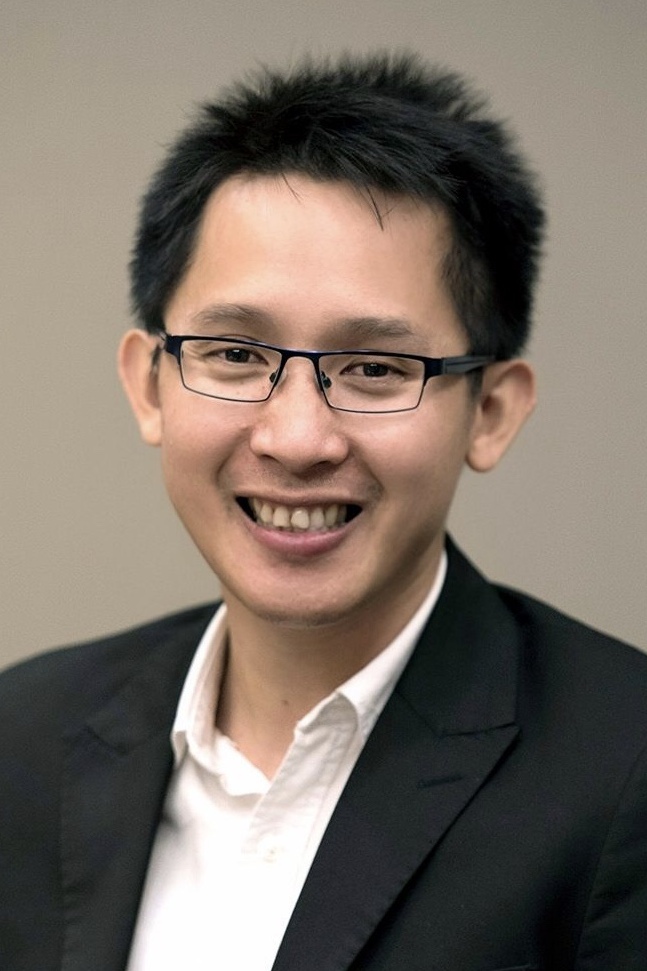
Nattavudh (Nick) Powdthavee
ณัฐวุฒิ เผ่าทวี
Professor of Economics
Nanyang Technological University
Welcome to my personal website. I am a professor of economics at Nanyang Technological University in Singapore. I am also the author of The Happiness Equation: The Surprising Economics of Our Most Valuable Asset (Icon Books) and several popular science books in Thailand.
Books

The Happiest Person in the Room อยู่เย็นเป็นสูตร (Salmon Books (in Thai language), 2023)
"คู่มือออกแบบชีวิตพิชิตการเป็นมนุษย์ผู้มีความสุข
โดยพาไปสำรวจว่าในแต่ละด้านของชีวิต ตั้งแต่การเงิน สุขภาพ หัวใจ และที่ทำงานนั้น มีปัจจัยหรือพฤติกรรมแบบใดที่ส่งผลหรือช่วยสร้างความสุขของเราให้เพิ่มขึ้นบ้าง ยกตัวอย่างเช่น
ทำยังไงให้เงินที่จ่ายไปซื้อความสุขได้มากขึ้น วิธีออกแบบนิสัยเพื่อสร้างสุขภาพที่ดีและมีสุขไปกว่าครึ่ง จะเพิ่มโอกาสให้ความรักยืนยาวได้ด้วยวิธีไหน เป็นไปได้ไหมที่จะสร้างความสุขในที่ทำงาน
รวมถึงย้อนกลับไปทำความเข้าใจสิ่งตั้งต้นที่มีผลต่อความสุขในวันนี้และอนาคต อย่างเรื่องการตัดสินใจของคนเรา
นำเสนอผ่านการหยิบทฤษฎีและผลงานวิจัยว่าด้วยหลักพฤติกรรมศาสตร์
จิตวิทยาสังคม เศรษฐศาสตร์ความสุข และเศรษฐศาสตร์กระแสหลักมาอธิบาย พร้อมนำเสนอมุมมองฉบับเข้าใจง่ายของ ณัฐวุฒิ เผ่าทวี นักเขียนผู้เชี่ยวชาญในเรื่องพฤติกรรมศาสตร์และเศรษฐศาสตร์ความสุข
และหวังว่าหนังสือเล่มนี้จะเพิ่มโอกาสให้คุณได้เป็นคนที่มีความสุขที่สุดในห้อง ไม่ว่าในห้องนั้นจะมีใครอยู่ก็ตาม "
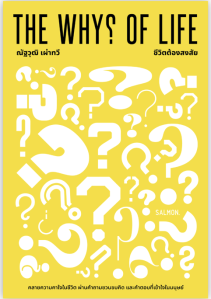
The whys of life ชีวิตต้องสงสัย (Salmon Books (in Thai language), 2021)
จับความสงสัยที่มีต่อพฤติกรรม อารมณ์
ความสุขของคนเรา
ทำไมเราถึงไม่สนิทกับเพื่อนเหมือนเดิม
ทำไมผู้ใหญ่จึงมอง ‘เด็กสมัยนี้’ แย่กว่าเป็นความจริง
ทำไมคนเราถึงกลัวการลาออกจากงานที่เกลียด
ทำไมคนที่ฐานะดี หน้าตาดี มีชื่อเสียง ถึงมักจะ ‘โชคดี’ กว่าคนอื่น
ทำไมเราถึงมองว่าคนที่ยอมแพ้ต่ออุปสรรค คือคนที่อ่อนแอ
และอีกหลายคำถาม ไปจนถึงว่าเราจะเลือกเส้นทางชีวิตหลังเรียนจบ
หรือมีความสุขในโลกอนาคตที่ไม่แน่นอนได้อย่างไร อธิบายให้เข้าใจด้วยหลักพฤติกรรมศาสตร์ จิตวิทยา และเศรษฐศาสตร์ ผ่านตัวอย่างและงานวิจัยที่ย่อยง่าย
เพื่อให้นำไปปรับใช้ได้ในชีวิตจริง
โดย ‘ณัฐวุฒิ เผ่าทวี’
นักเศรษฐศาสตร์ความสุขและศาสตราจารย์ด้านพฤติกรรมศาสตร์ เจ้าของผลงาน ‘ทุกพฤติกรรมมีความเสี่ยง
โปรดอย่าลำเอียงก่อนตัดสินใจ’ , ‘ความสุขทำงานยังไง
’ และ ‘มนุษย์อารมณ์’
----
“ติดตามหนังสือของอาจารย์ทุกเล่มอยู่แล้ว
ส่วนตัวรู้สึกว่าพฤติกรรมศาสตร์ สาขาวิชานี้จะมีความจำเป็นมากขึ้นในอนาคตเวลาทำงาน หรือเวลาพยายามจะเข้าใจคนอื่น” รวิศ หาญอุตสาหะ
แนะนำหนังสือใน Mission To The Moon
“ข้อดีของหนังสือเล่มนี้ ตัวอย่างในหนังสือ
ผมว่าเราเจอมาแล้วเกินครึ่งเล่มกับตัวเอง เราก็เลยทำความเข้าใจกับสิ่งที่อาจารย์เขียนได้ง่ายขึ้น นึกย้อนไปถึงตอนนั้น มันเป็นอย่างนั้นเพราะอย่างนี้เอง คือมันไม่ได้บอกว่าสิ่งที่เกิดขึ้นถูกหรือผิดนะครับ
แต่หนังสือเล่มนี้ช่วยให้เราเข้าใจว่า ทำไมในตอนนั้น คนตรงนั้นถึงคิดและตัดสินใจแบบนั้น ... พอเราเข้าใจคนและเหตุการณ์ต่อไปในอนาคตได้ดีขึ้น
เราจะอยู่ร่วมกับเค้าได้ง่ายขึ้น”
ธรรมศภาคย์ เลิศเศวตพงษ์ แนะนำหนังสือใน ALREADY EP.19

THE EMOTIONAL MAN มนุษย์อารมณ์ (Salmon Books (in Thai language), 2020)
เมื่อการตัดสินใจของคนเรา ไม่ได้เป็นไปด้วยเหตุผล
เชื่อไหมว่าคนเราไม่ได้ใช้เหตุผลในทุกการตัดสินใจ
เชื่อไหมว่าคนเราไม่ค่อยให้ความสำคัญกับอนาคต
เชื่อไหมว่าความตื่นเต้นจากการดูหนังสยองขวัญทำให้เข้าใจว่าตกหลุมรักคู่เดตได้
เชื่อไหมว่าความเสียดายในสิ่งที่ไม่ได้ทำจะติดตัวเราไปจนวันตาย
และเชื่อไหมว่า ทั้งหมดนี้เป็นเพราะเราคือ
'มนุษย์อารมณ์'
จากคำถามที่ว่า 'มนุษย์ใช้เหตุผลในทุกการตัดสินใจจริงหรือ?'
สู่การหาคำตอบในเชิงงานวิจัยของ ‘ณัฐวุฒิ เผ่าทวี’ ศาสตราจารย์ด้านพฤติกรรมศาสตร์และนักเศรษฐศาสตร์ความสุข เจ้าของผลงาน ‘ทุกพฤติกรรมมีความเสี่ยง
โปรดอย่าลำเอียงก่อนตัดสินใจ’ , ‘พฤติกรรมความสุข’ และ ‘ความสุขทำงานยังไง
’ ที่จะพาเราไปพบกับความเป็นจริงที่ว่า
พวกเราเป็น ‘มนุษย์อารมณ์’ กันทั้งนั้น
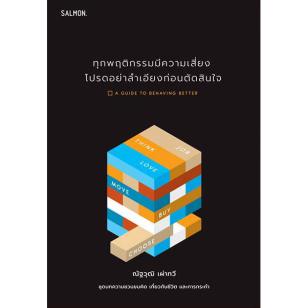
A Guide to Behaving Better (Salmon Books (in Thai language), 2019)
ทุกพฤติกรรมมีความเสี่ยง โปรดอย่าลำเอียงก่อนตัดสินใจ
ณัฐวุฒิ เผ่าทวี' ชวนทำความเข้าใจที่มาของพฤติกรรม และรู้เท่าทันความคิดที่โอนเอียง เพื่อนำตัวเองออกจากความเสี่ยง และตัดสินใจอย่างเฉียบคม ผ่านการสำรวจว่า ทำไมการเปลี่ยนใจกลับมาชอบคนที่เกลียดตั้งแต่แรกพบถึงเป็นเรื่องยาก ทำไมเราถึงตัดสินความผิดของคนอื่นได้ง่ายๆ แต่กลับมีเหตุผลในการทำผิดให้กับตัวเองเสมอ ทำไมข่าวจริงถึงเอาชนะข่าวปลอมไม่ได้ และทั้งๆ ที่รู้ว่าไม่มีประโยชน์ แต่ทำไมเราถึงอยากรู้เหตุผลที่คนรักบอกเลิก?
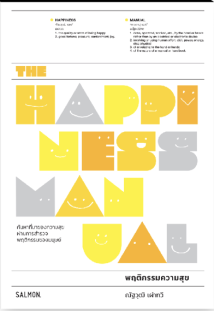
The Happiness Manual (Salmon Books (in Thai language), 2018)
พฤติกรรมความสุข
ร่วมค้นหาความหมายของ ‘ความสุข’ ผ่าน ‘พฤติกรรม’ ที่เกิดขึ้นในชีวิตประจำวันว่าการกระทำของเรานั้นส่งผลกับสภาพอารมณ์และชีวิตในวันข้างหน้าขนาดไหน ผ่านความเรียงอิงประสบการณ์และงานวิจัย ที่จะทำให้เรากลับมาสำรวจทุกเรื่องราวของตัวเองใหม่ โดย ‘ณัฐวุฒิ เผ่าทวี’ นักเศรษฐศาสตร์ความสุขและศาสตราจารย์ด้านพฤติกรรมศาสตร์
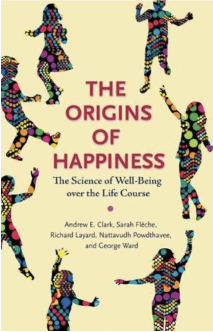
The Origins of Happiness: The Science of Well-Being over the Life-course - with Andrew E.Clark, Sarah Fleche, Richard Layard, and George Ward (Princeton University Press, 2018)
What makes people happy? Why should governments care about people’s well-being? How would policy change if well-being was the main objective? The Origins of Happiness seeks to revolutionize how we think about human priorities and to promote public policy changes that are based on what really matters to people. Drawing on a uniquely comprehensive range of evidence from longitudinal data on over one hundred thousand individuals in Britain, the United States, Australia, and Germany, the authors consider the key factors that affect human well-being.
The authors explore factors such as income, education, employment, family conflict, health, childcare, and crime—and their findings are not what we might expect. Contrary to received wisdom, income inequality accounts for only two percent or less of the variance in happiness across the population; the critical factors affecting a person’s happiness are their relationships and their mental and physical health. More people are in misery due to mental illness than to poverty, unemployment, or physical illness. Examining how childhood influences happiness in adulthood, the authors show that academic performance is a less important predictor than emotional health and behavior, which is shaped tremendously by schools, individual teachers, and parents. For policymakers, the authors propose new forms of cost-effectiveness analysis that places well-being at center stage. Groundbreaking in its scope and results, The Origins of Happiness offers all of us a new vision for how we might become more healthy, happy, and whole.
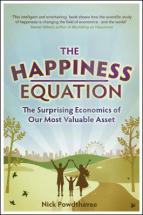
The Happiness Equation: The Surprising Economics of Our Most Valuable Asset (Icon Books, 2010)
Why is marriage worth £200,000 a year? Why will having children make you unhappy? Why does happiness from winning the lottery take two years to arrive? Why does time heal the pain of divorce or the death of a loved one - but not unemployment?
Everybody wants to be happy. But how much happiness - precisely - will each life choice bring? Should I get married? Am I really going to feel happy about the career that I picked? How can I decide not only which choice is better for us, but how much it's better for us? The results of new, unique research, The Happiness Equation brings to a general readership for the first time the new science of happiness economics.
It describes how we can measure emotional reactions to different life experiences and present them in ways we can relate to. How, for instance, monetary vales can be put on things that can't be bought or sold in the market - such as marriage, friendship, even death - so that we can objectively put them in order of preference. It also explains why some things matter more to our happiness than others (like why seeing friends is worth more than a Ferrari), while others are worth almost nothing (like sunny weather).
"This intelligent and entertaining book shows how the scientific study of happiness is changing the field of economics - and the world!" --Daniel Gilbert, Professor of Psychology, Harvard University and author of STUMBLING ON HAPPINESS
"An important, readable, incisive, and often marvellously funny book. The author is an international expert in the field and his deep knowledge shines through in the prose." --Andrew J Oswald, University of Warwick
How Happiness Works: And Why We Behave the Way We Do (Salmon Books (in Thai language), 2016)
ความสุขทำงาน
32 บทความว่าด้วยพฤติกรรมที่เกี่ยวพันกับอารมณ์ของมนุษย์ ในมุมมองของ ‘ณัฐวุฒิ เผ่าทวี’ นักเศรษฐศาสตร์ความสุข อาจารย์ประจำมหาวิทยาลัย นักวิจัยด้านพฤติกรรม และคอลัมนิสต์ประจำสำนักข่าวออนไลน์ ไทยพับลิก้า ที่จะชวนมนุษย์อย่างเราๆ ตั้งคำถามถึงพฤติกรรมของตัวเองว่าถ้ามีโอกาสคุณจะนอกใจแฟนมั้ย? ถ้ารวยขึ้นจะมีความสุขจริงหรือเปล่า? คุณยอมรับความผิดหวังในชีวิตได้มากแค่ไหน? ถ้าก่อนเข้าโรงหนัง เพื่อนดันโทร.มาบอกว่าหนังเรื่องที่คุณถือตั๋วอยู่ในมือมันห่วย คุณจะตัดสินใจอย่างไร ระหว่างโยนตั๋วทิ้งกับเข้าไปดูจนจบ? พฤติกรรมทั้งหมดนี้เกี่ยวข้องกับความสุขยังไง และหลักเศรษฐศาสตร์สัมพันธ์กับชีวิตมากแค่ไหน มาร่วมสำรวจไปพร้อมๆกัน
幸福の計算式 結婚初年度の「幸福」の値段は2500万円! ?
(The Happiness Equation: Japanese translation)
「本当の幸せ」とは何か? 科学的アプローチで探る、驚くべき経済学!
誰もが幸せになりたいと思っている。だが、人生の選択のひとつひとつは、どれだけの幸せを運んでくれるのだろう?
もし幸福度を比べる方法があったら?
結婚の価値は年2500万円、
子どもをもつと不幸になる、
宝くじに当たっても幸せになるのは2年後、
愛する人が死んでも1年で立ち直れる
 Print
Print 